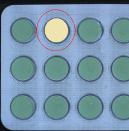
Products in Blister Packs
Inspect capsules, tablets, softgels, injectables such as ampoules and vials, and other blister-packed products for presence, visible appearance, mix-ups and filling abnormalities.
Inspect capsules, tablets, softgels, injectables and other products in blister packs, together with the formed plastic side and aluminum lidding foil. Dedicated lighting and AI-supported recipes identify product, packaging and printing defects before cartoning. For pharmaceutical and nutraceutical production, including dietary supplements.
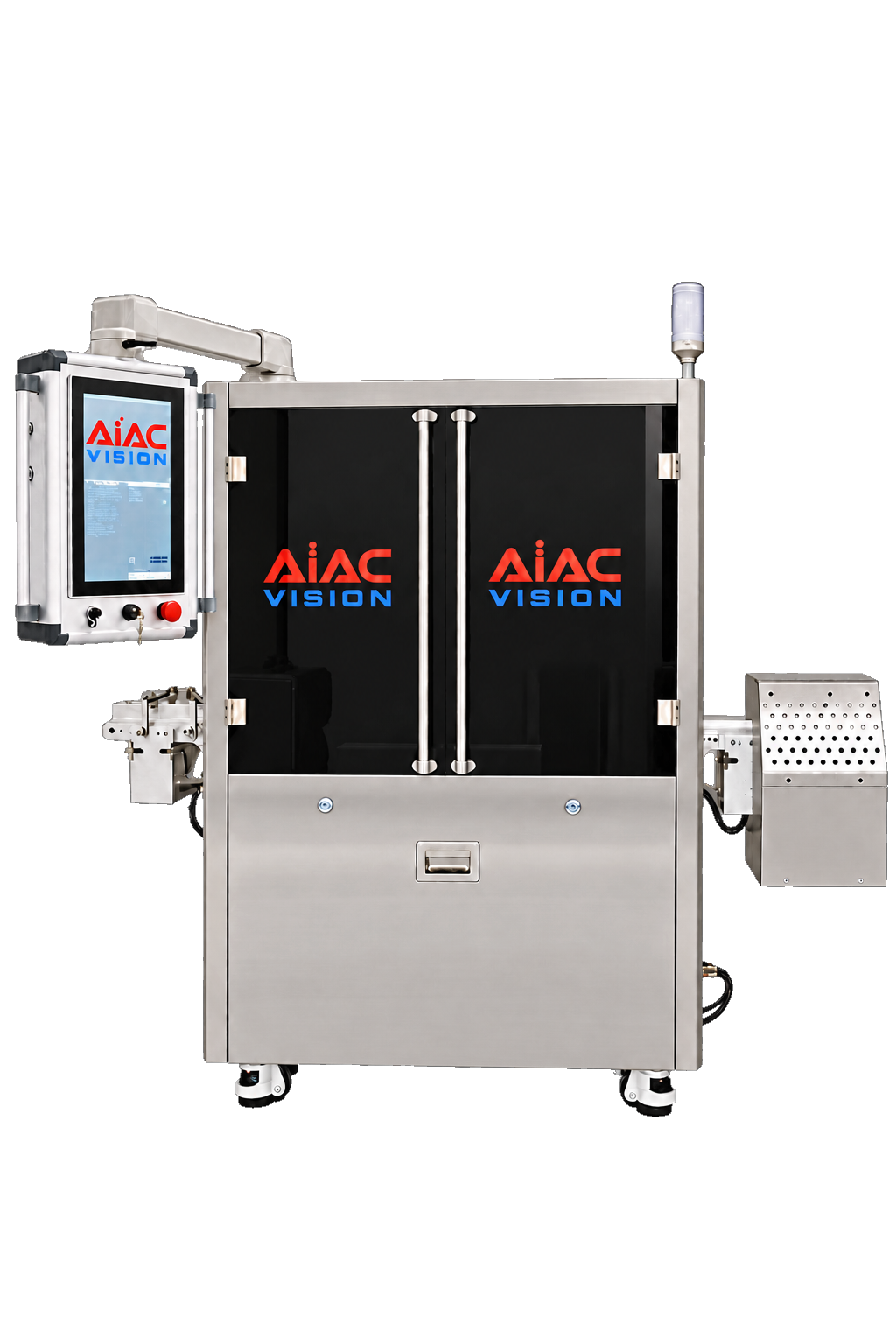
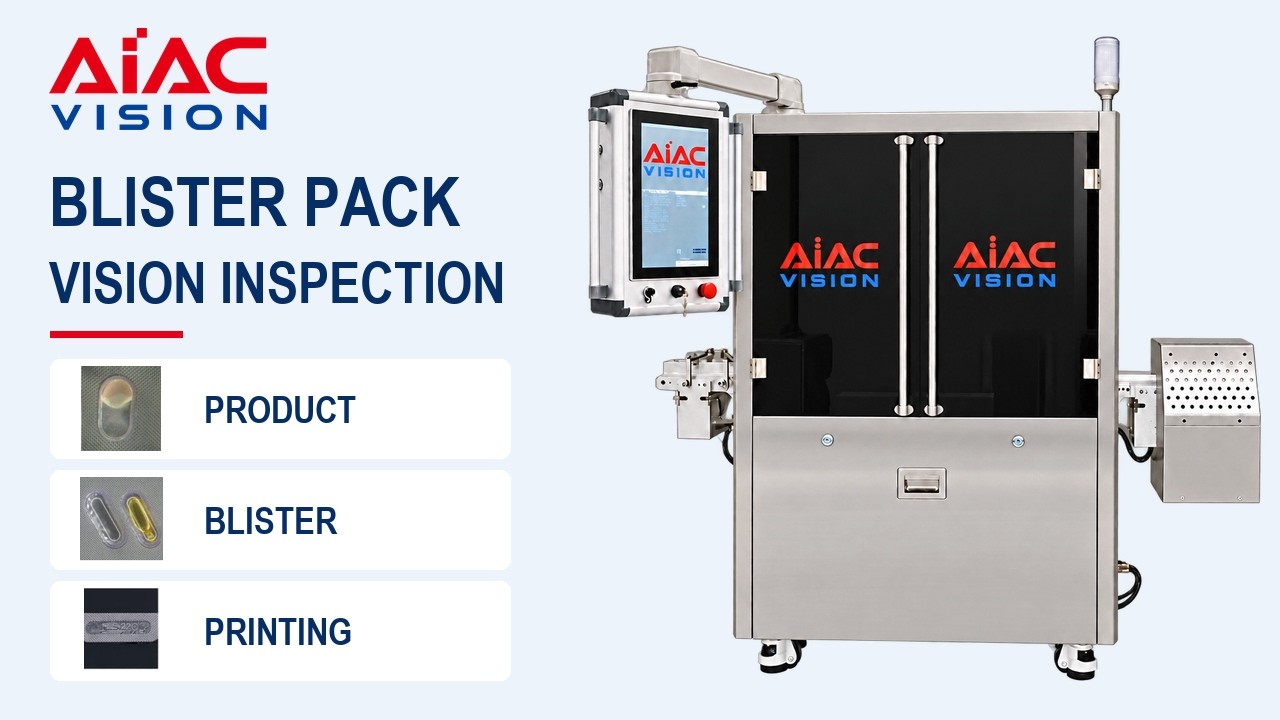
See the equipment and inspection process up close.
Product-specific inspection combines complementary lighting for dosage forms, formed cavities, sealing surfaces, foil and printed markings.
Inspect capsules, tablets, softgels, injectables such as ampoules and vials, and other blister-packed products for presence, visible appearance, mix-ups and filling abnormalities.
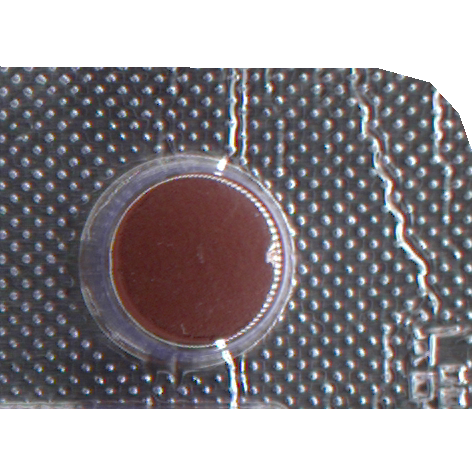
Check cavity presentation, sealing surfaces, foil damage and lot markings within the selected configuration.
Blister packs may contain capsules, tablets, softgels, injectables and other products. Pack dimensions, product orientation and inspection scope are confirmed through sample testing.
Original image (left) · Inspection result (right)
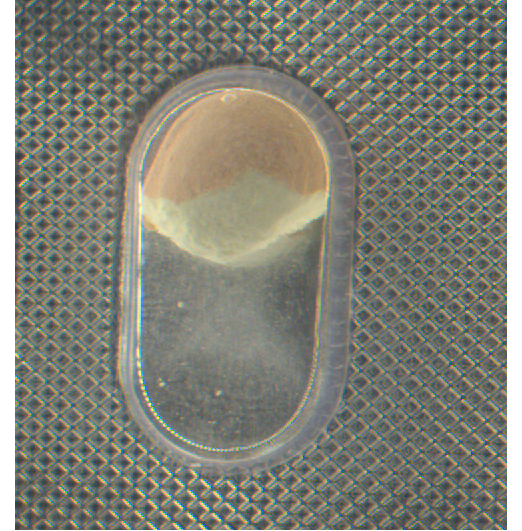
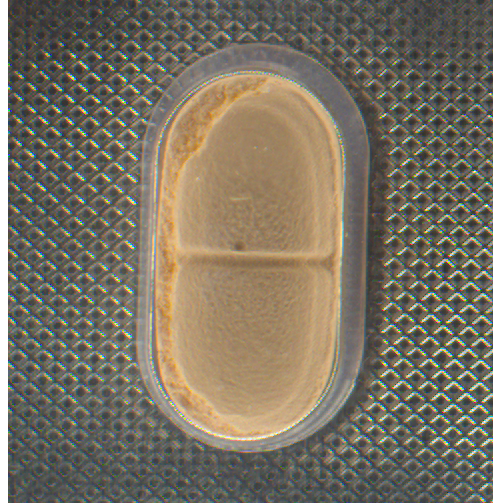
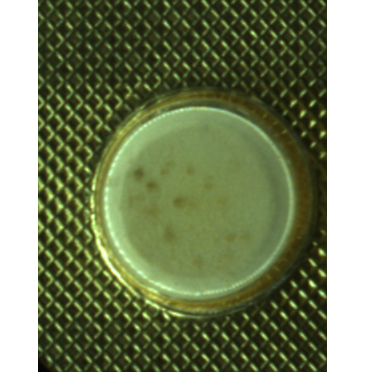
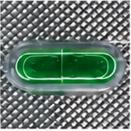
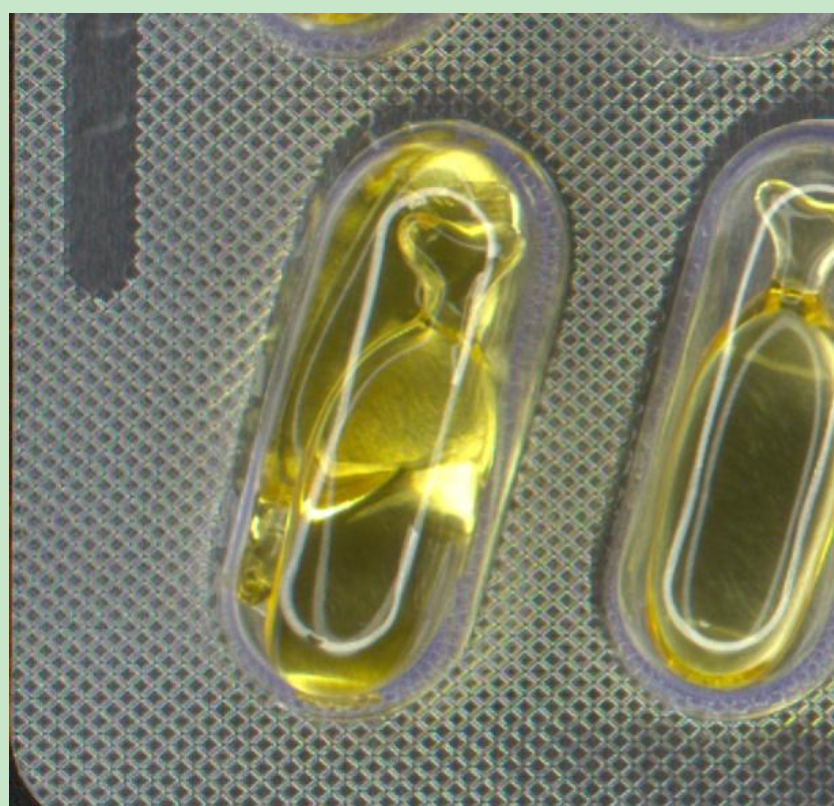
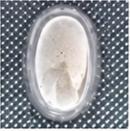
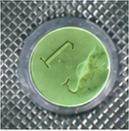
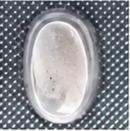
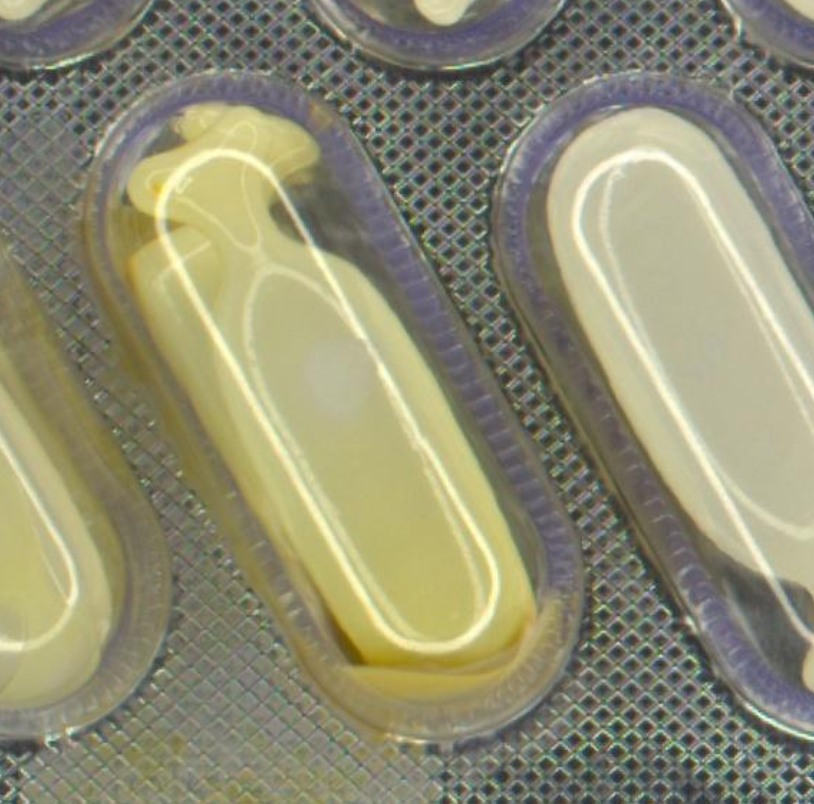
Detection depends on material, glare, product color, cavity presentation, line speed and the selected inspection stations.
Two standard stations use ring and dome lighting. Optional backlight and aluminum-foil inspection extend the selected inspection scope.
Checks product presence, shape and visible appearance, including empty cavities, broken products, discoloration and foreign material.
Diffuse dome lighting reveals blister texture, sealing patterns and batch markings on reflective surfaces.
Transmitted light reveals pinholes and other light-transmitting defects, including perforation damage.
Checks the reverse foil surface for visible damage, contamination and printing defects using the selected recipe.
Rule-based checks and trained AI models evaluate complex product and packaging defects.
Product-specific checks cover missing or incomplete characters, poor print quality and positional misalignment.
Saved recipes, batch reporting, image review and audit-trail functions support operation and quality review.
AIBIM-450P, AIBIM-450T and AIBIM-450F are listed in the brochure. Choose the configuration around blister material, target defects and line requirements.
| Available models | AIBIM-450P / AIBIM-450T / AIBIM-450F |
|---|---|
| Capacity | Up to 27,000 blisters/hour; product- and configuration-dependent |
| Inspection scope | Blister packs containing capsules, tablets, softgels, injectables and other products; nominal pack size up to 124.5 × 81.3 mm, subject to product-specific configuration |
| Inspection stations | 2 standard; Station 3 and Station 4 optional |
| Power | 5 kW |
| Power supply | 120/208 V AC, 60 Hz, 3-phase, 5-wire |
| Air pressure | 0.6 MPa |
| Air consumption | Nominal: 15.9 gal/min |
| Dimensions, L × W × H | 63.4 × 33.1 × 63.0 in |
| Total weight | 995 lb |
The brochure provides a shared specification table for the AIBIM series. Final model configuration and acceptance criteria are confirmed for the project.
Select the station configuration and recipe around your blister material, cavity layout and target defects.
| Reference | Specification |
|---|---|
| Nominal throughput | Up to 27,000 blisters/hour |
| Maximum blister dimensions | 124.5 × 81.3 mm |
| Standard station count | 2 |
| Optional inspection | Backlight inspection / Aluminum foil inspection |
Throughput and minimum detectable defect sizes require product- and configuration-specific validation.
Use AIBIM as a standalone system or connect it with blister feeding and packaging equipment before cartoning.
Our team reviews the interfaces that determine how this system fits into your line.
Watch blister vision inspection in an inline application and see how visual quality control fits into the packaging process.
AIBIM covers product and packaging inspection for capsules, tablets, softgels, injectables and other blister-packed products. Format, lighting and station selection determine the applicable inspection scope.
Capsules, tablets, softgels, injectables and other blister-packed products can be evaluated for the selected format and configuration.
The page illustrates product, packaging and printing defect examples. Station and lighting selection determine the applicable scope.
Provide blister dimensions, materials, product details, required throughput and inspection needs.
Share your product type, target defects and required capacity. We will help you evaluate the next step.